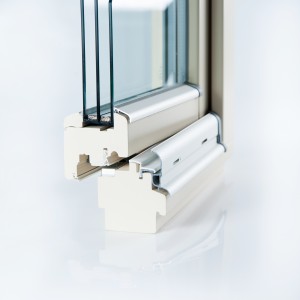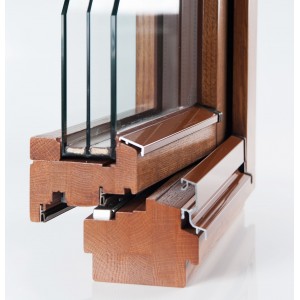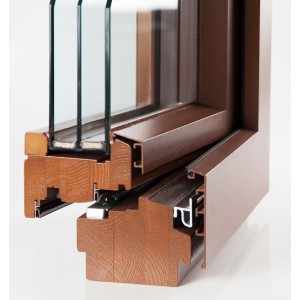

In the world of construction and renovation, window profiles play a key role. They not only provide comfort and safety but also add aesthetic appeal to the house. Profiles with thicknesses of 78 mm and 106 mm are popular options, each with unique features and benefits. In this article, we will examine the differences between the 78 mm and 106 mm profiles, when to use each one, and which regions of Ukraine they are best suited for.
Profile Characteristics
78 mm Profile by MIRT

- The 78 mm profile is one of the most common window profile options. Its characteristics include:
- Profile thickness: 78 mm.
- 4-layer laminated timber.
- Material: Oak and ash.
- Maximum glazing thickness: 38 mm.
- Thermal resistance coefficient: 0.76 m2·℃/W.
- Lacquer coating: “Remmers”.
- Sound insulation: Adequate for most residential homes.
- Cost: Relatively lower compared to the 106 mm profile.
106 mm Profile by MIRT

- The 106 mm profile is a more modern and technologically advanced option. Its characteristics include:
- Profile thickness: 106 mm.
- 5-layer laminated timber.
- Material: Oak and ash.
- Maximum glazing thickness: 54 mm.
- Thermal resistance coefficient: 0.96 m2·℃/W (1 m2·℃/W for profiles with aluminum deco).
- Lacquer coating: “Remmers”.
- Sound insulation: Higher than the 78 mm profile.
- Cost: Higher compared to the 78 mm profile.
Thermal Insulation Properties
The 106 mm profile offers superior thermal insulation properties due to its greater glazing thickness and profile depth. This makes it an ideal choice for colder regions of Ukraine where high thermal insulation is needed. The 78 mm profile also provides good thermal insulation but is not as effective as the 106 mm profile.
Sound Insulation
The 106 mm profile provides better sound insulation compared to the 78 mm profile. This makes it an excellent choice for homes in noisy cities where peace and quiet are essential. The 78 mm profile also offers sufficient sound insulation for most residential homes but does not match the performance of the 106 mm profile.
Cost
The 78 mm profile is relatively more affordable than the 106 mm profile, making it a great choice for budget-conscious projects. Although more expensive, the 106 mm profile delivers higher thermal and sound insulation properties, making it ideal for premium projects.
When to Use Each Profile
The 78 mm profile is an excellent choice for:
Residential buildings: Perfect for homes in areas with a moderate climate.
Office spaces: Provides adequate thermal and sound insulation for office buildings.
Budget projects: Due to its relatively lower cost, the 78 mm profile is a good choice for budget-friendly projects.
The 106 mm profile is recommended for:
Homes in cold regions: Ideal for houses in areas with cold climates where high thermal insulation is necessary.
Noisy cities: Thanks to its high sound insulation, the 106 mm profile is an excellent choice for homes in noisy cities.
Premium projects: For projects requiring high quality and durability, the 106 mm profile is the best option.
Large transparent structures: Due to its structural features, it can support greater loads, such as winter gardens, entrance groups, etc.
Regional Suitability in Ukraine
- 78 mm profile:
- Central Ukraine: Regions with a moderate climate such as Kyiv, Cherkasy, Poltava.
- Southern Ukraine: Warmer regions such as Odesa, Mykolaiv, Kherson.
- 106 mm profile:
- Western Ukraine: Cooler regions such as Lviv, Ivano-Frankivsk, Ternopil.
- Eastern Ukraine: Regions with colder winters such as Kharkiv, Donetsk, Luhansk.
- Northern Ukraine: Cooler regions such as Chernihiv, Sumy, Zhytomyr.
Choosing the right window profile is a crucial aspect of building and renovating homes. The 78 mm profile is an excellent choice for residential homes in areas with a moderate climate and for budget-conscious projects. The 106 mm profile is recommended for homes in cold regions, noisy cities, and premium projects. Understanding the differences between these profiles and their applications will help you make the right choice for your project.